Head Office
Head Office: CL 5 First Floor, Block 1, Shafi Court, Merewether Road, Civil Lines Karachi
75520,Pakistan
Loading...
It's 3:17 AM on a Tuesday, and the phone on your nightstand buzzes with a call you or any property manager ever wants to get. It's the overnight crew at your building in Midtown.
"There's a problem," they say, and you can hear the panic in their voice. "A sprinkler pipe burst on the 25th floor. There's water everywhere."
You're out of bed and in a cab before you can have coffee. By the time you arrive, the sprinkler repair company is already there, assessing the damage. The good news? They can fix it. The bad news? The entire building's fire suppression system needs to shut down for at least 12 hours.
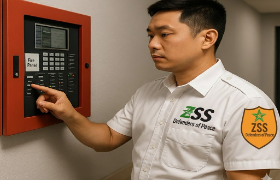
However, here's the relief: Zaid Security Service is on the way, ready to provide the necessary fire watch services to keep your business running.
And that's when the real problem hits you. It's not the water damage or the repair bill. The fact is, you're now operating an occupied high-rise in New York City without a functioning fire protection system. The knot in your stomach tightens. You know what that means: a massive compliance nightmare, the risk of a stop-work order from the Fire Department of New York (FDNY), and liability that could sink your budget for the year. The clock is officially ticking, and the consequences of non-compliance are severe.
Here's something you learn fast as a building manager, facility director, or construction supervisor in New York City: the FDNY doesn't do "suggestions." When a fire protection system—like your sprinklers or fire alarm—is out of service, the NYC Fire Code is crystal clear. You are legally required to implement a Fire Watch.
So, what exactly is a Fire Watch? It’s not just having a security guard stand by the front door. It’s a temporary but continuous patrol of the affected area by one or more certified professionals whose only job is to watch for fire, know how to respond, and be ready to notify the FDNY at a moment’s notice. A fire watch is not just a formality; it’s a crucial part of maintaining fire safety during system outages.
And here’s where it gets interesting. The FDNY gives you a very short leash. For the first four hours of a system outage (in an area under 50,000 square feet), a trained and knowledgeable person on your staff can handle the watch. But the second that clock ticks past the four-hour mark, the rules change. The watch must be conducted by a professional holding a specific FDNY Certificate of Fitness.
Ignoring this isn’t an option you’d want, because the consequences can be severe: immediate stop-work orders, crippling fines, and a massive increase in legal liability should a fire actually occur. We’ve all heard the stories—even high-profile, brand-new buildings have faced scandals and major violations for cutting corners on fire safety compliance. It’s a risk you can’t afford to take.
This scenario is where Zaid Security Service delivers smarter protection. Hiring a fire watch isn’t about getting a warm body in a uniform. It’s about hiring a compliance expert with the proper credentials. In NYC, that means an FDNY Certificate of Fitness (COF). A regular security guard, no matter how experienced, cannot legally perform fire watch duties in New York City unless they hold the specific certification required for the situation.
The different codes can feel like an alphabet soup of regulations. But don’t worry—we speak the language fluently. Here’s a simple cheat sheet for the certifications that matter most: